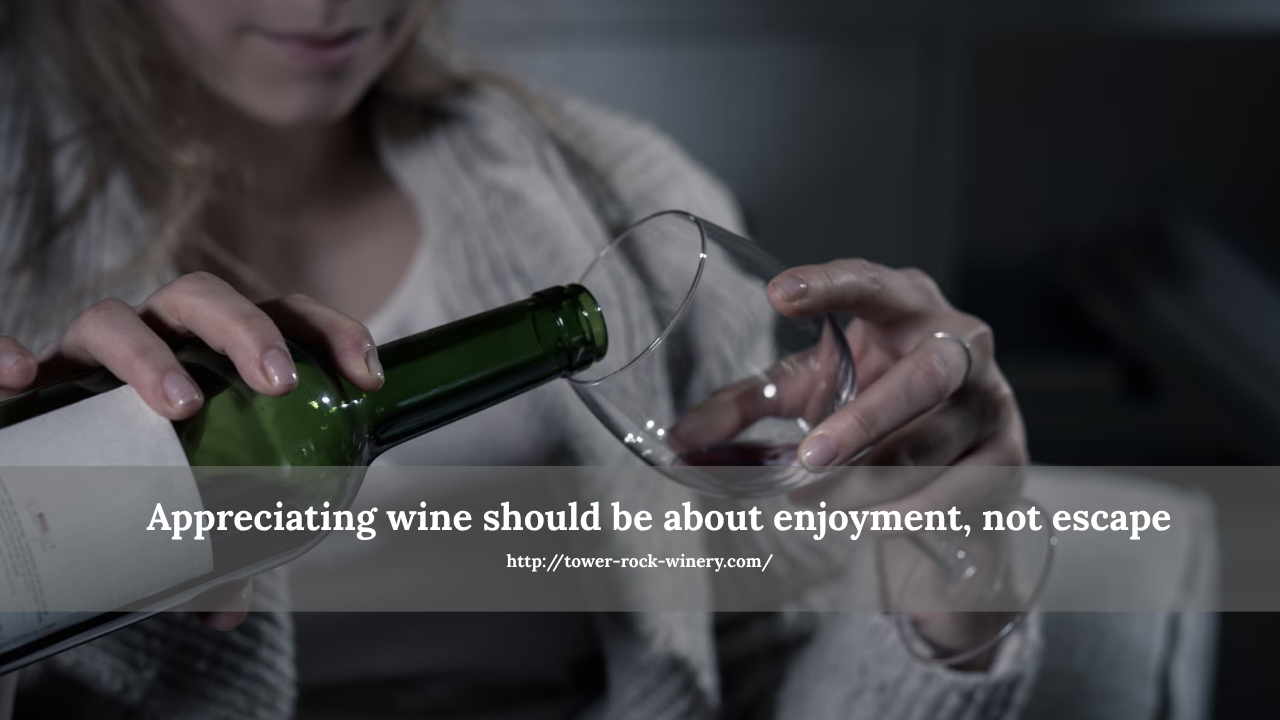
FWine culture has become a symbol of elegance, sophistication, and lifestyle. Across social media, dinner parties, and travel experiences, wine is presented not just as a drink but as a journey—an exploration of flavors, regions, and craftsmanship. However, for some individuals, the love of wine can slowly and quietly morph into something far more dangerous: a cover for developing alcoholism.
Unlike stereotypical depictions of alcohol abuse, wine-related drinking often escapes scrutiny. Sipping fine vintages, attending tastings, and collecting rare bottles are seen as hobbies, not red flags. Yet the normalization of regular drinking within wine culture can create a slippery slope. What begins as social exploration can easily lead to daily consumption, increasing tolerance, and eventually, dependency.
One of the reasons wine drinking can mask alcoholism is because it’s socially sanctioned and often encouraged. Phrases like “It’s wine time” or “I just need a glass to unwind” are common and widely accepted, even celebrated. Wine is tied to relaxation, celebration, and culinary experiences. But when consumption becomes habitual rather than occasional, the risk of addiction grows—even if the ritual remains polished and refined.
Tolerance is a major warning sign. Over time, the body adjusts to regular alcohol intake, requiring more wine to achieve the same effects. This escalation may go unnoticed at first, especially when drinking is disguised as “tasting” or “pairing.” A glass with dinner becomes two, then three. Soon, the wine cellar becomes not just a place for special bottles but a daily source of emotional escape.
Compounding the issue is the social reinforcement of wine culture. Tastings, events, and wine clubs create community, but they also normalize frequent drinking. It can feel awkward—or even alienating—to opt out of a glass when wine is part of the social fabric. This makes it easier for someone developing a dependency to dismiss their growing reliance as mere enthusiasm.
For many, the realization that wine appreciation has crossed into addiction is painful and confusing. There’s often a sense of denial: “I’m not an alcoholic—I know the difference between Merlot and Malbec.” But the truth is, alcoholism isn’t defined by knowledge or taste; it’s defined by a loss of control and the physical or emotional need for alcohol.
The first step to breaking this cycle is honest reflection. Ask yourself: Do I drink wine to cope with stress? Am I uncomfortable going a day without it? Have I noticed my tolerance increasing? If the answers point toward dependency, it may be time to reevaluate your relationship with wine.
Recovery doesn’t mean giving up everything you love about life—it means regaining control over it. Support is available through therapy, support groups, and sober-curious communities that understand the unique challenges of alcohol dependence in high-functioning, socially accepted forms.
In the end, true wine appreciation is about savoring life, not numbing it. Recognizing the shift from tasting to tolerance is the key to protecting both your passion and your health.