Beyond the Tasting Room: How Wine Appreciation Can Mask Alcohol Reliance

Wine has long been celebrated for its complexity, culture, and social enjoyment. From tasting rooms to vineyard tours, the world of wine offers sophistication, education, and connection. Yet for some, this appreciation can hide a growing reliance on alcohol. What begins as a hobby, a social ritual, or a professional interest can quietly evolve into a coping mechanism. At Tower Rock Recovery, we recognize that alcohol dependence often appears hidden behind refinement and routine. Our compassionate, individualized approach helps individuals identify risk, address emotional triggers, and reclaim balance through holistic and clinically informed care.


The Fine Line Between Appreciation and Reliance

Wine appreciation involves learning about varietals, vintages, and pairing techniques. It encourages social interaction and personal exploration. However, the very structure and ritual that make wine culture enjoyable can also create a socially acceptable cover for increasing alcohol consumption.

Subtle Signs of Hidden Dependence

  • Frequent tastings: Attending wine events or tastings often, and using them as justification for drinking.
  • Emotional reliance: Using wine to manage stress, anxiety, or emotional discomfort.
  • Increased tolerance: Needing more alcohol to achieve the same relaxation or enjoyment.
  • Private rituals: Drinking alone under the guise of “personal tasting” or study.
  • Defensiveness: Feeling irritation or denial when friends or family express concern.

Recognizing these patterns early is crucial for preventing long-term dependency and maintaining health.


Understanding the Emotional Triggers

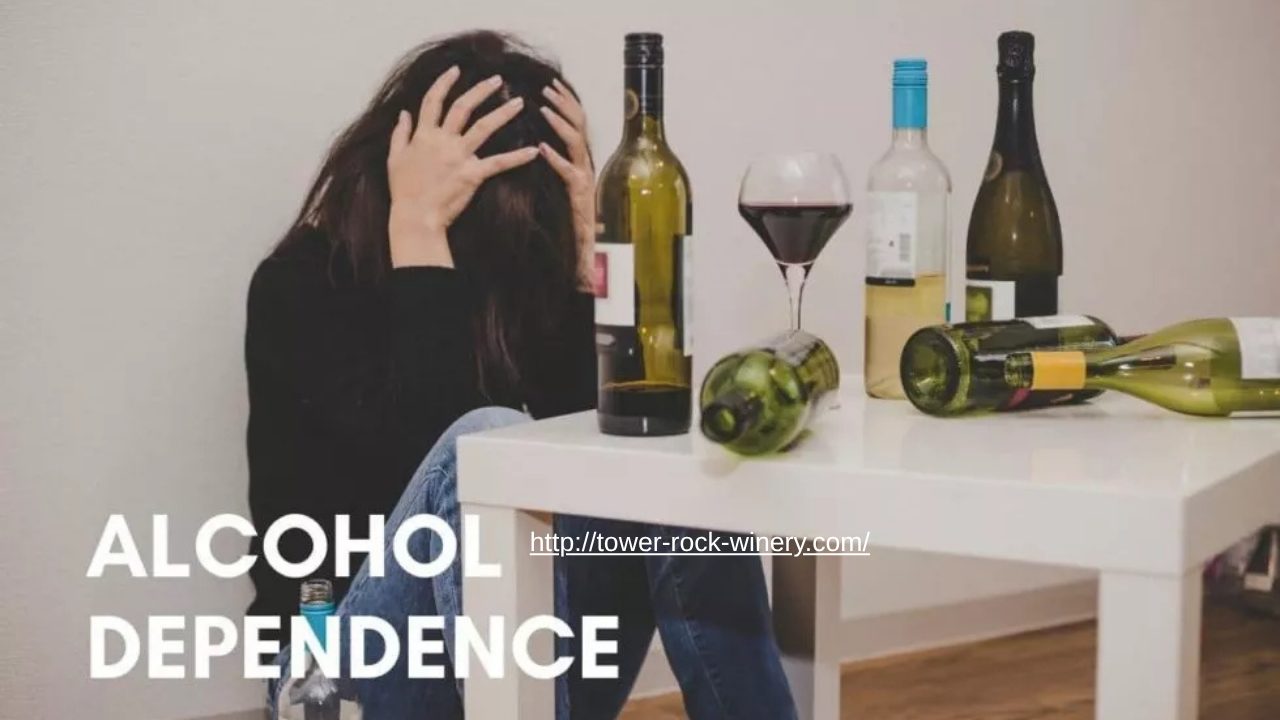
Alcohol dependence is rarely only about the drink itself. In many cases, it serves as a coping mechanism for stress, unresolved trauma, anxiety, or depression. Wine culture, with its sophistication and social prestige, can normalize regular drinking and mask the emotional roots of dependency. Individuals may rationalize their habits as part of a refined lifestyle, while quietly using alcohol to self-soothe.

At Tower Rock Recovery, we address the emotional and psychological drivers behind alcohol use. By helping clients understand why they drink, we empower them to develop healthier coping strategies and rebuild meaningful connections with themselves and others.


H2: Comprehensive and Holistic Recovery

Recovery involves more than stopping alcohol use. It is about restoring balance in mind, body, and spirit. Tower Rock Recovery offers individualized care that combines clinical expertise with holistic support, ensuring each client receives a program tailored to their needs.

Inpatient and Outpatient Programs

  • Inpatient care: Provides structured, immersive support in a safe environment, ideal for those needing intensive treatment.
  • Outpatient care: Allows clients to maintain work, family, or social responsibilities while receiving ongoing guidance.

Both approaches include counseling, group therapy, and skill-building to prevent relapse and support long-term recovery.

Whole-Person Healing

Holistic care at Tower Rock addresses mental health, emotional well-being, and physical health. Faith-based and mindfulness practices, nutrition guidance, and personalized therapy sessions help clients build resilience and regain control over their lives.


Taking the First Step Toward Freedom

Acknowledging that wine appreciation may mask alcohol reliance requires courage. It is a recognition that self-care and enjoyment can coexist with responsible boundaries. Recovery is not about giving up sophistication or passion—it is about reclaiming control, emotional clarity, and authentic connection.


Conclusion

Beyond the tasting room, wine can be both a source of joy and a hidden risk. Tower Rock Recovery offers compassionate, professional, and individualized support to help those struggling with alcohol reliance. Through holistic, faith-based, and evidence-informed programs, clients can move from silent struggle to meaningful recovery.

If you or someone you love has noticed subtle signs of alcohol dependence behind the refinement of wine appreciation, take the first step today. Reach out to Tower Rock Recovery and discover a path to lasting wellness, balance, and freedom.
Sophisticated Sips, Silent Struggles: Understanding Hidden Alcohol Dependence in Enthusiasts

Wine has long been celebrated as a symbol of sophistication, culture, and enjoyment. For enthusiasts, each tasting, vintage, and pairing represents a refined experience, a way to connect with others, and a personal passion. However, beneath the elegance and ritual of wine appreciation, silent struggles can emerge. What begins as a cultivated hobby can sometimes mask a growing dependence on alcohol. At Tower Rock Recovery, we recognize that hidden alcohol dependence often affects individuals who appear high-functioning, refined, and in control. Our compassionate, individualized approach supports both the physical and emotional aspects of recovery, helping people reclaim balance and wellness.


How Wine Culture Can Mask Dependence

Wine culture encourages exploration, education, and social engagement. Tastings, vineyard tours, and exclusive wine events create an image of sophistication that can make excessive drinking seem acceptable or even admirable. For enthusiasts, the line between occasional enjoyment and dependency can be difficult to detect.

Subtle Signs of Hidden Dependence

  • Routine drinking disguised as hobby: Regular tastings or evening pours may initially seem like part of a lifestyle, but frequency and necessity can signal dependency.
  • Drinking to manage emotions: Using wine to reduce stress, anxiety, or emotional discomfort indicates a reliance beyond simple enjoyment.
  • Isolation masked by culture: Drinking alone at home or privately may be justified as “personal tasting” but can reveal growing emotional withdrawal.
  • Defensiveness and denial: Resistance to discussing drinking habits often reflects underlying concern about control and self-image.

Understanding these warning signs can help individuals and loved ones recognize when intervention may be needed.


The Emotional Roots of Hidden Alcohol Dependence

Alcohol dependence in wine enthusiasts is often less about the drink itself and more about the emotional role it plays. Stress, perfectionism, unresolved trauma, or depression can lead individuals to use wine as a coping mechanism. While social acceptance may conceal the problem, the internal struggle can intensify over time, affecting relationships, mental health, and overall quality of life.

At Tower Rock Recovery, we approach treatment holistically. We help clients address not only the physical consequences of alcohol use but also the emotional and psychological factors that contribute to dependence. By understanding the “why” behind drinking, individuals can develop healthier coping strategies and restore their sense of balance.


A Holistic and Personalized Approach to Recovery

Recovery is not a one-size-fits-all process. At Tower Rock, we combine evidence-based therapies with holistic care and optional faith-based support to meet each client’s unique needs.

Inpatient and Outpatient Programs

  • Inpatient care: Structured, immersive treatment offers a safe environment for individuals to focus fully on healing.
  • Outpatient care: Flexible programs allow clients to maintain work, family, or social responsibilities while receiving ongoing support.

Whole-Person Healing

Holistic care addresses the body, mind, and spirit. Counseling, mindfulness practices, wellness activities, and spiritual support help clients rebuild resilience and maintain long-term recovery. Our individualized approach ensures that treatment is tailored to the person, not just the addiction.


Moving Beyond Sophistication to Authentic Wellness

Acknowledging hidden alcohol dependence can feel intimidating, especially for individuals who take pride in their sophistication and social image. Yet real strength comes from honesty and the willingness to seek help. Recovery is not about giving up enjoyment or refinement; it is about regaining control, clarity, and authentic connection.


Conclusion

Wine enthusiasts often navigate a fine line between refined enjoyment and silent dependence. At Tower Rock Recovery, we provide compassionate, professional care that addresses both the emotional and physical aspects of alcohol dependence. Through holistic, faith-based, and individualized treatment programs, individuals can move beyond silent struggles and rediscover balance, purpose, and lasting wellness.

If you or a loved one is noticing patterns of reliance hidden behind sophisticated sips, reach out today. Tower Rock Recovery is here to guide you on a path toward authentic healing and freedom.

When the Wine Glass Becomes a Guard: Spotting Dependence in Wine Connoisseur Culture

The Subtle Shift from Appreciation to Avoidance

For many, wine represents sophistication, culture, and connection. The swirl of the glass, the aroma of oak and fruit, the quiet conversation between friends — it all feels refined and harmless. Yet beneath this polished surface, a growing number of people are using wine not for pleasure, but for protection. When the wine glass becomes a guard rather than a gift, it may be time to look deeper. What begins as appreciation can quietly evolve into dependence, especially when emotional pain, stress, or loneliness hide behind the ritual of a “daily pour.”


When Culture Conceals Concern

Modern wine culture celebrates knowledge, refinement, and the artistry of flavor. Wine tastings, vineyard visits, and pairing dinners often create an image of elegance and control. However, that same culture can also blur the line between passion and problem. Frequent social drinking becomes “networking.” A nightly bottle becomes “relaxation.” Before long, drinking feels like a natural part of identity — and that makes recognizing dependency even harder.

At Tower Rock, we understand that alcohol dependence rarely begins in chaos. It begins in calm, when stress is managed by a glass instead of a conversation, and when self-soothing becomes synonymous with sipping. Over time, tolerance builds, emotional distance grows, and genuine connection fades.


The Warning Signs Hidden in Plain Sight

1. Wine as a Reward or Emotional Escape

You may start telling yourself you’ve earned that glass — after a long day, a tough meeting, or a difficult conversation. When drinking becomes the main way to relax or recover emotionally, it’s a signal that alcohol is filling a deeper need.

2. Increased Tolerance and Rationalization

If you notice you need more wine to feel the same effect, or if you catch yourself justifying how much you drink compared to others, it may be time to pause. Rationalization is one of the mind’s ways to protect dependence.

3. Isolation in the Name of Preference

Many people in early dependence start drinking alone, claiming they “just prefer to enjoy wine privately.” This quiet shift from shared enjoyment to solitary drinking often reflects emotional withdrawal.

4. Defensiveness or Denial

If loved ones express concern and your first instinct is irritation or defensiveness, that’s a powerful emotional cue. Often, this reaction signals an internal struggle with control and self-awareness.


Understanding the Root: It’s Not About the Wine

At its core, alcohol dependence is rarely about the drink itself. It’s about what the drink represents — relief, belonging, or escape. Wine culture offers a socially acceptable cover for these deeper emotional wounds. Many individuals who identify as “enthusiasts” or “collectors” are, in truth, self-medicating unresolved stress, trauma, or depression.

This is where true healing begins: by acknowledging the emotional role alcohol plays and addressing it with compassion and care. At Tower Rock, treatment is not about punishment or loss. It’s about rediscovering peace, confidence, and balance through individualized recovery plans that treat both mind and spirit.


Healing Beyond the Glass

Tower Rock’s holistic and faith-based approach to addiction recovery combines evidence-based therapy with spiritual and emotional renewal. Whether through inpatient care, outpatient programs, or personalized counseling, clients are guided toward understanding the “why” behind their behavior — not just the “what.”

Healing means learning new ways to find calm without substances. It means rebuilding trust with oneself and with others. And most importantly, it means replacing dependency with meaning and connection.


Choosing Recovery Over Routine

If you’ve begun to notice that wine plays a bigger role in your life than you intended, it’s not too late to change course. Recovery is not about shame or judgment — it’s about rediscovering your own strength. At Tower Rock, we believe that behind every struggle with alcohol lies a person capable of growth and renewal.

Reach out today to learn more about how our holistic, client-centered programs can help you step beyond dependency and find lasting freedom. You don’t have to face this alone. The first step toward healing might be putting the glass down — and picking up the phone.